
-
The Surviving gates of the Har Habayis
The Medrash in various places (Sh’mos Rabba 2:2, Bamidbar Rabba 11:2) says that the shechinah even today rests on the western wall (the Kosel), and it therefor will never be destroyed. This is also brought down in Shir Hashirim Rabba, although the Medrash there is slightly different, and says the following:הִנֵּה זֶה עוֹמֵד אַחַר כָּתְלֵנוּ,…
-

The Northern Wall of Har Habayis
The north wall of the expanded Har Habayis was mostly destroyed, and virtually no remains can be seen above ground, besides for a few stones in the northeast and northwest corners. (The Kaftor Vaferach already observed this fact, as he writes (chapter 6) that the northern wall is destroyed, as opposed to the other walls,…
-
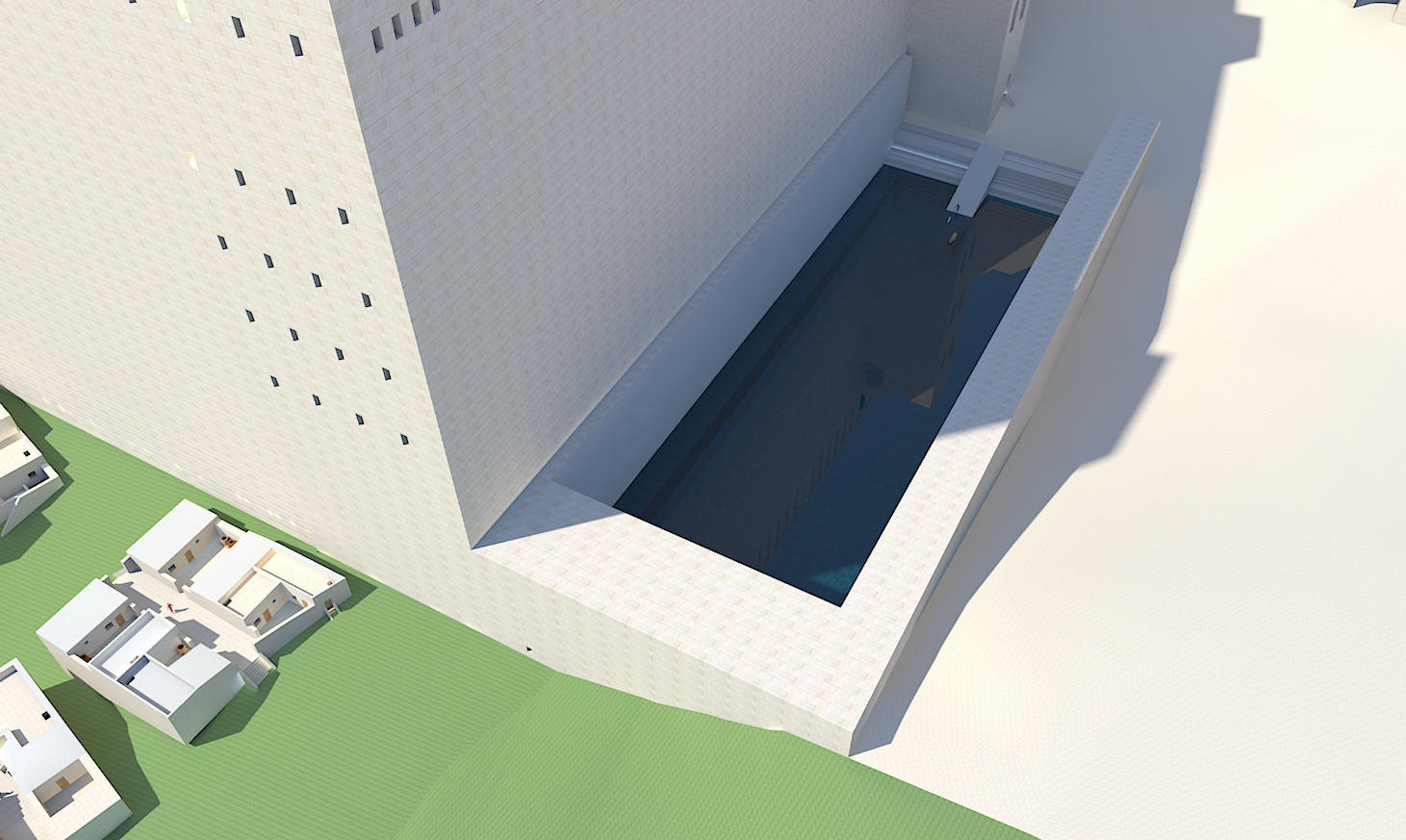
Bereichas Yisro’el
On the north side of the Har Habayis, in the eastern part, there is a large pool, called by the Arabs Birket Isra’in, a corruption of Birket Beni Israil, pool of the sons of Yisroel. It is first mentioned by this name by Muqadassi, an Arab geographer, in the tenth century. There are different…
-

The Northeast corner of Har Habayis
Above the ground, the northeast corner of the (expanded) Har Habayis can be clearly seen, and to the north of it is the more modern eastern city wall of Yerushalayim. However, underground the Har Habayis wall does not end at this point, but runs further, for another 38.4 meters (126 feet). Warren writes…
-
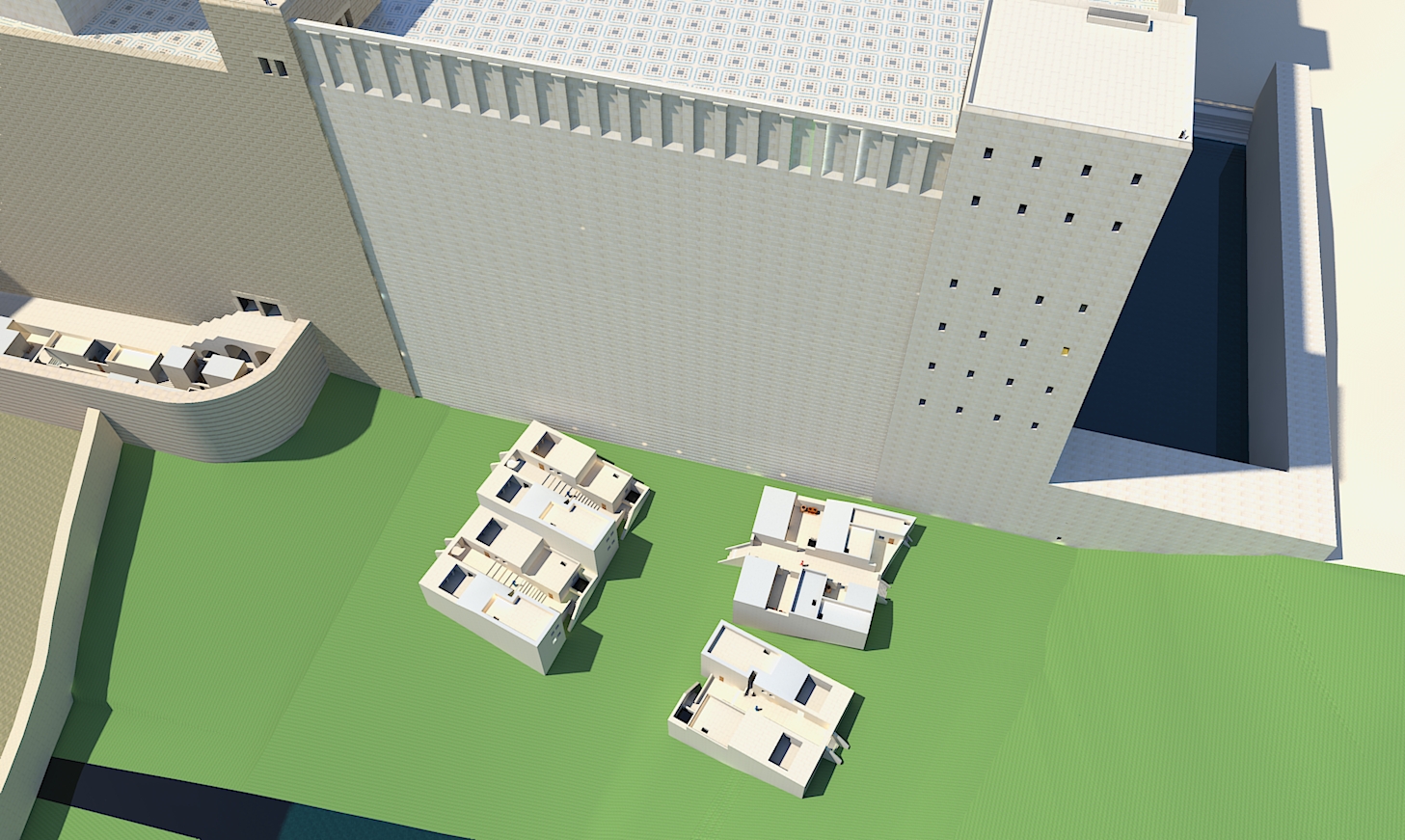
The Eastern Wall of Har Habayis, part 4
The northern part of the eastern wall of Har Habayis, from the northern joint to the northeast corner of the Har Habayis, a distance of around 121 meters (397 feet) is from Hurdus’s expansion. This wall crossed over the Bezesa valley and continued onto the hill north of Har Hamoriah. By the northeast…
-
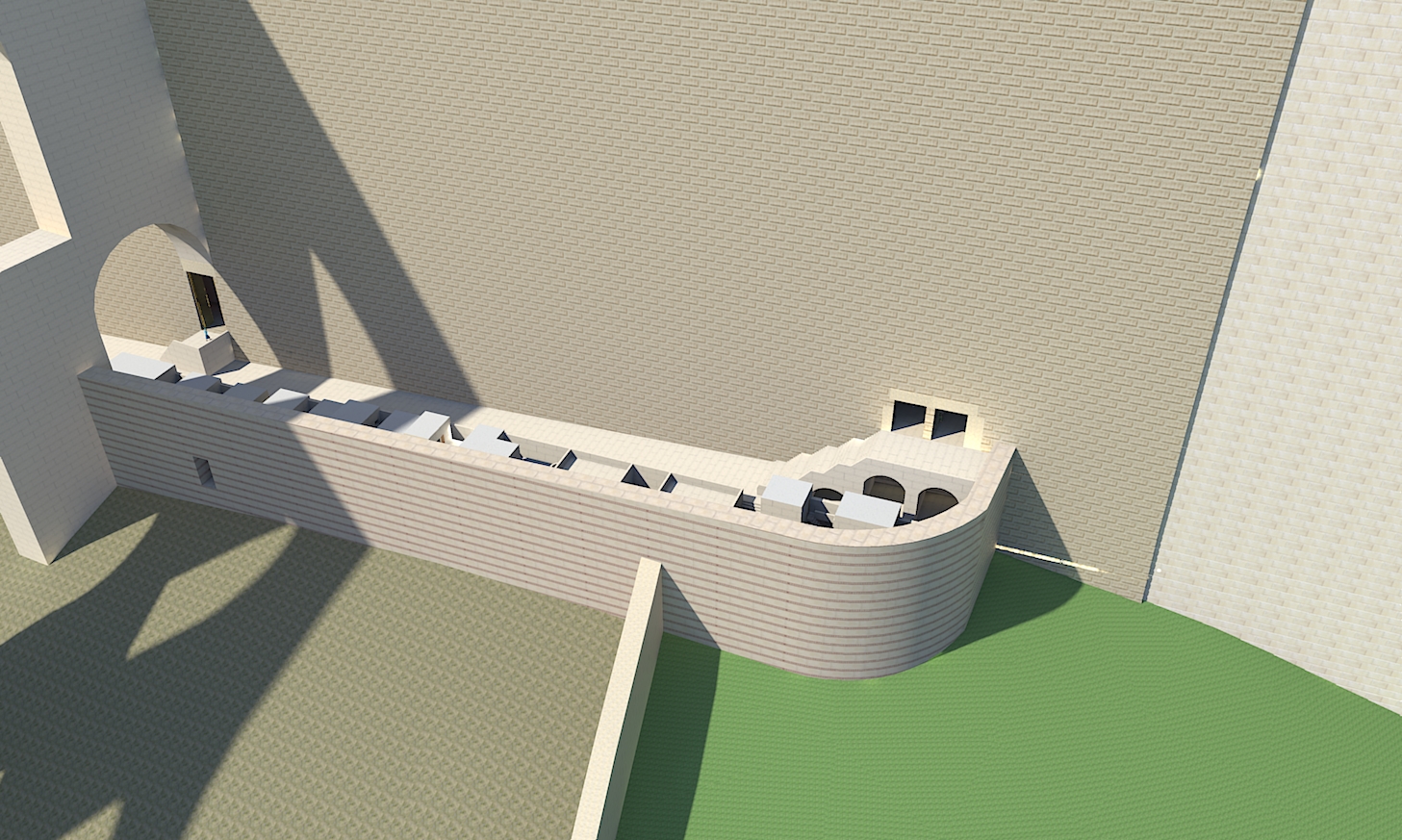
The Eastern Wall of the Har Habayis, part 3 (the gates in the middle of the eastern wall)
The middle section of the eastern wall, from the times of Shlomo Hamelech, has one gate currently visible in it, the Shaar Harachamim. This gate, which is located around 312 meters (1023 feet) away from the southeast corner, is built on the remains of the original gate that stood there in the time of the…
-

The Eastern Wall of the Har Habayis, part 2
The southeast corner of the (expanded) Har Habayis is built on the lowest point of the bedrock, so in order to help stabilize it, the lower rows of stone are set back from the ones under them more than in the other walls, they are set back between 7.6-10.1 cm (3-4 in), and in one…
-
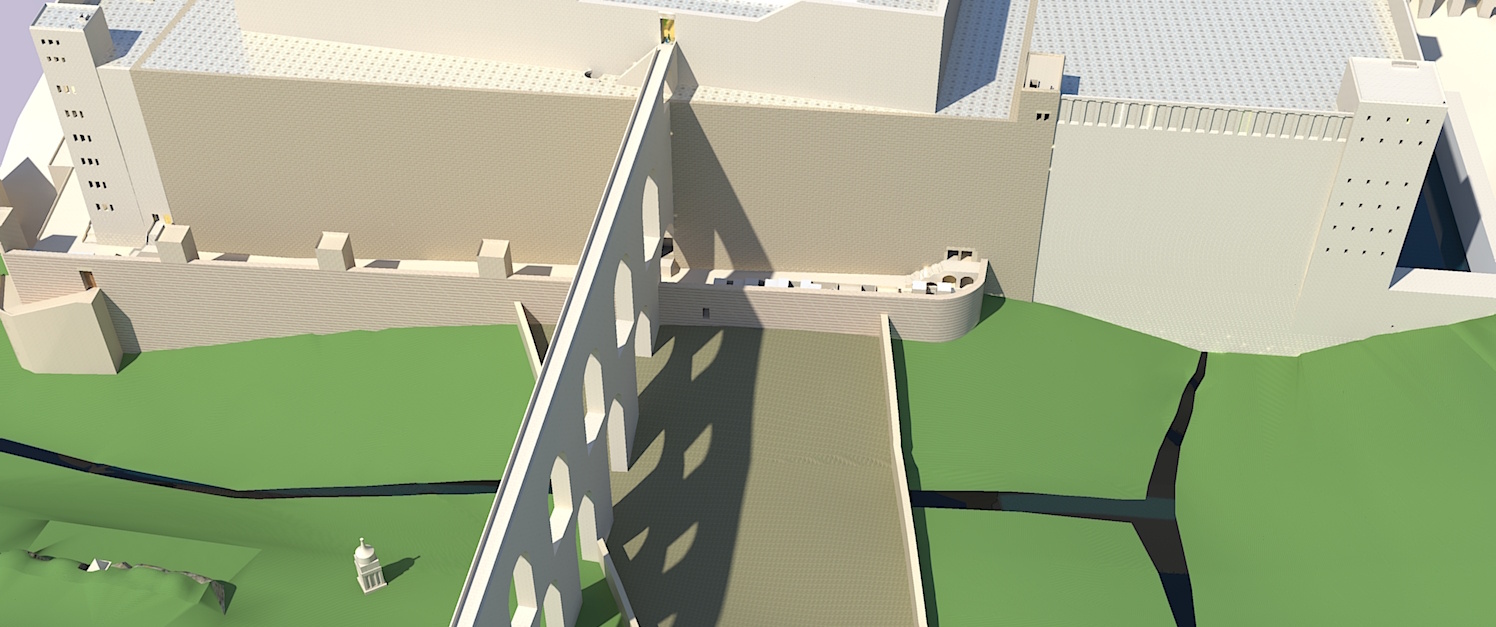
The Eastern Wall of the Har Habayis, part 1
The eastern wall of the Har Habayis is 466 meters (1530 feet) long. This wall is not exactly on the north-south axis, rather it is on an angle of 6 degrees to the north. The southern part of this wall is at an angle of around 93 degrees compared to the southern wall of…
-
The Southeastern Corner Tower
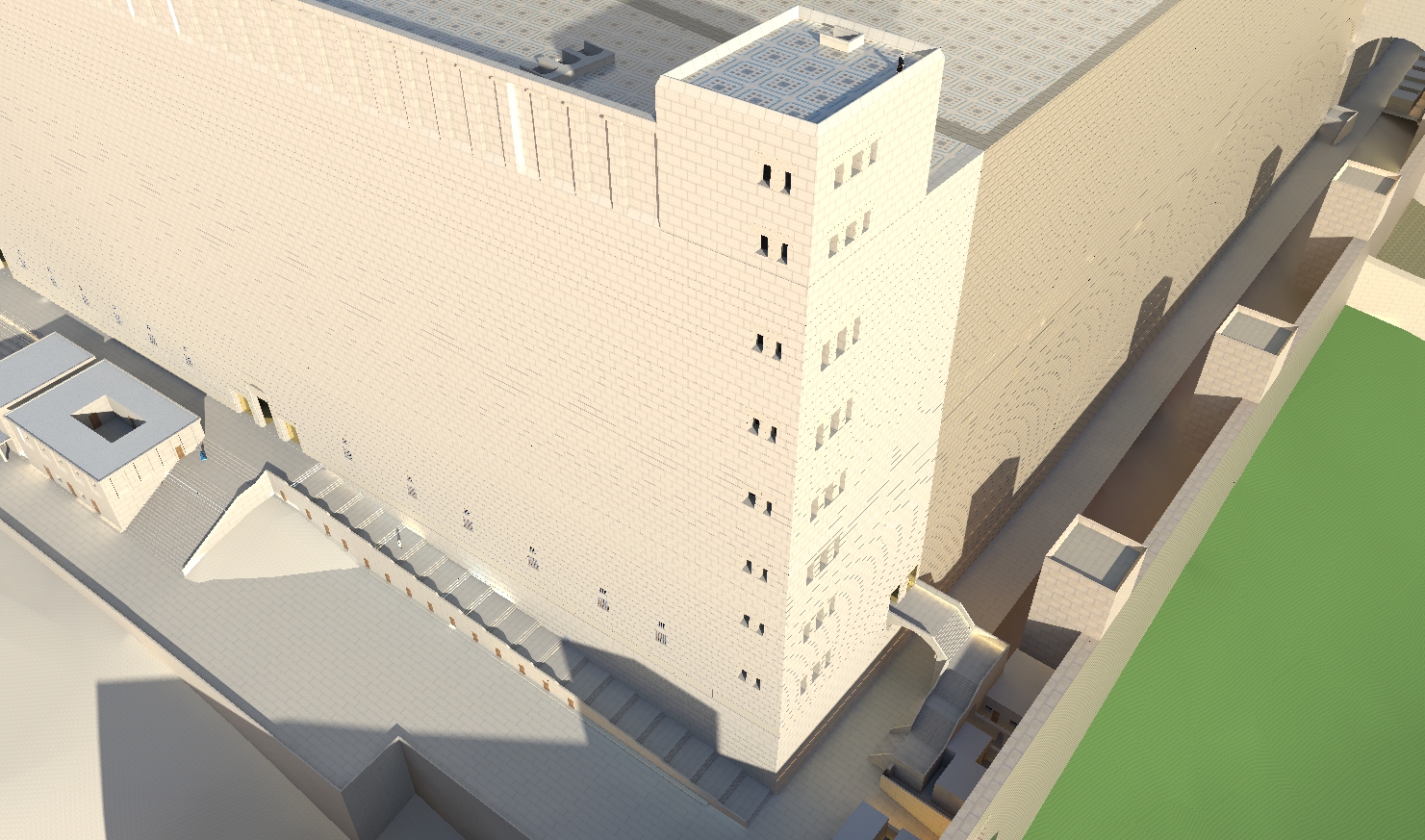
In the southeastern corner of the expanded Har Habayis, there was a tower, the remains of which can be seen in the eastern wall. This made a nice visual balance to the eastern wall of the Har Habayis, as it had towers on both ends. At 20.3 meters (66 ft 7 in) away from…
-

The Southern Wall of the Har Habayis, part 7
When Hurdus expanded the Har Habayis, he made his expansion on one flat level. However, the original mountain slopes down, so they had to build vaulted chambers, as well as fills of earth and other stuff, to support the Har Habayis surface. Although most of these vaults were destroyed during the Churban, the southeastern…
Hashem said to Yechezkel, “Its reading in the Torah is as great as its building. Go and say it to them, and they will occupy themselves to read the form of it in the Torah. And in reward for its reading, that they occupy themselves to read about it, I count it for them as if they were occupied with the building of it.
(Tanchuma Tzav 14)